
Navigating Your Roof Damage Insurance Claim: A Complete Guide
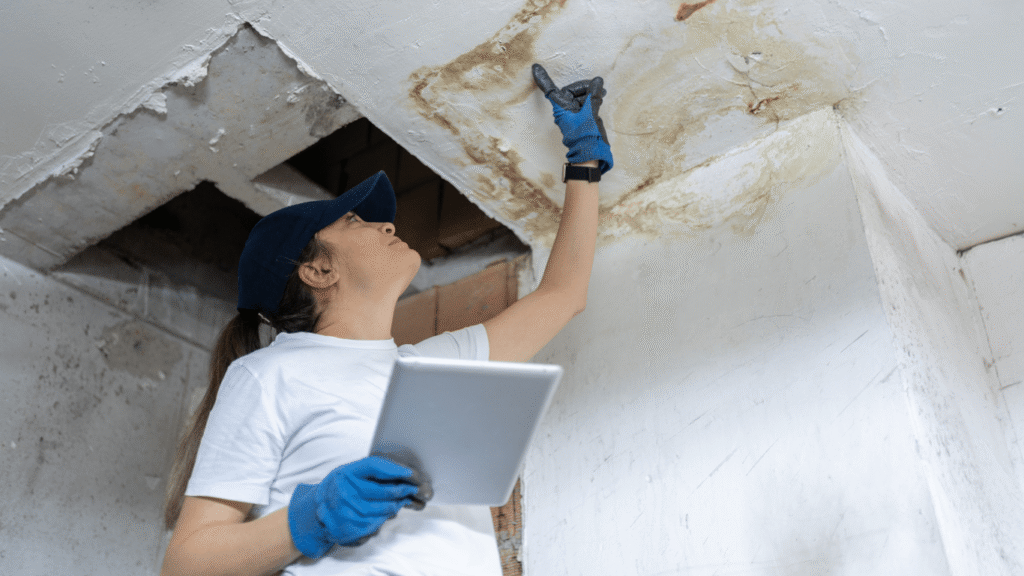
When severe weather strikes or unexpected damage occurs, filing a roof damage insurance claim can feel overwhelming. You’re dealing with property damage, safety concerns, and the complexity of insurance paperwork all at once. The good news? Understanding the process and knowing your rights can make a significant difference in getting your claim approved and receiving fair compensation.
Understanding What Your Insurance Covers
Not all roof damage automatically qualifies for coverage. Most homeowners’ insurance policies cover sudden and accidental damage from specific perils like hurricanes, hail, falling trees, or fire. However, damage from neglect, normal wear and tear, or gradual deterioration typically isn’t covered.
Before filing your roof damage insurance claim, review your policy’s declaration page to understand your coverage limits, deductibles, and any exclusions. Pay special attention to whether you have replacement cost value (RCV) or actual cash value (ACV) coverage, this determines whether depreciation factors into your settlement.
Document Everything Before Filing
Success starts with thorough documentation. As soon as it’s safe, photograph and video all visible damage from multiple angles. Include wide shots showing the full scope and close-ups highlighting specific problem areas. Don’t forget to document the interior damage too, water stains, damaged ceilings, or compromised insulation all matter.
Keep receipts for any emergency repairs or temporary fixes. Insurance companies understand you need to prevent further damage, and these costs are typically reimbursable as part of your roof damage insurance claim.
According to the Insurance Information Institute, proper documentation significantly increases claim approval rates and settlement amounts.
RECENTLY DENIED OR LOW-BALLED?
Let’s get you the money you deserve.
Roof Damage Insurance Claims: Roofing Repair and Replacement Claims in Florida
Does homeowner’s insurance cover roof replacement or repair? That depends.
Generally, most ‘all-perils’ insurance policies will cover the cost of roof repair or replacement if it becomes damaged. However, this coverage typically only extends to damage caused by an act of nature or a sudden accident, not that caused by general wear or failure to maintain the property.
When it comes to Florida roofs, Hurricanes and storms are a leading cause of roof damage and leaks. IN fact, in 2018 alone, data from insurance aggregates revealed more than 750,000 insurance claims for damage due to residential property.
As a state vulnerable to often severe storm seasons, residents and businesses are no stranger to tropical storms, hurricanes, strong winds, lightning strikes and more.

Maximizing Your Settlement
To ensure fair compensation for your roof damage insurance claim, understand the full scope of necessary repairs. This includes not just visible damage but also underlying structural issues, damaged gutters, compromised flashing, and interior repairs.
Discover hidden roof damage insurance companies often miss →
Working with experienced professionals who understand insurance processes can make a substantial difference. Public adjusters, for instance, work exclusively for you—not the insurance company—and typically increase settlements by 30-50%.
For Florida Residents:
Key Takeaways
Roof damage as the result of an act of nature, accident or sudden event is typically covered by homeowners’ insurance policies. A roof that has been gradually deteriorating often will NOT be covered by insurance.
Those roofs that are more than 20-years old may only qualify for partial coverage (if any). If the event of damage, contacting your insurance company ASAP is advisable.
start your claim
What Can I Do If My
Roof Repair or Replacement Claim is ‘Stuck’ or Denied?
Receiving an insurance denial can be heartbreaking and frustrating. You put your trust in your insurance company, reliably paying your premiums and expecting them to be there for you in your time of need. Unfortunately, all too often Florida residents find that their claim for roof damage due to hail, wind, hurricanes or other acts of nature or accidents are denied.
If you too received an insurance denial, don’t give up. Put a public adjuster from our company on your side and let us do what we do best. We work on the side of policyholders, ensuring that insurance companies pay what they are required to under the terms of its policy.
We know how to build an insurance claim the right way, from documentation of evidence in your favor, to highlighting policy terms and providing a professional, in-depth examination that can aid in getting your claim approved in full.
Frequently Asked Questions
How long do I have to file a roof damage insurance claim?
Most insurance policies require you to report damage “promptly” or “as soon as reasonably possible.” While this typically means within 30-60 days of discovering the damage, some states have specific deadlines Florida, for example, allows up to 2 years for hurricane claims. However, delaying your claim can lead to complications. Insurance companies may argue that delays caused additional damage or made it harder to verify the original cause. Always check your specific policy and state regulations, but the best practice is to file immediately after discovering damage.
Will filing a roof damage claim increase my insurance premiums?
Filing a single claim for legitimate storm or accidental damage typically won’t increase your premiums, especially if it’s an “Act of God” like hurricane or hail damage. However, multiple claims within a 3-5 year period may result in higher rates or even non-renewal. Insurance companies usually distinguish between preventable claims (like those from poor maintenance) and unavoidable weather-related damage. Before filing, consider your deductible versus repair costs—if damage is only slightly above your deductible, paying out-of-pocket might preserve your claims history for more significant future events.
What's the difference between RCV and ACV in roof damage settlements?
Replacement Cost Value (RCV) covers the full cost to replace your damaged roof with materials of similar kind and quality, without factoring in depreciation. Actual Cash Value (ACV) deducts depreciation based on your roof’s age and condition. For example, if your 10-year-old roof needs $15,000 in replacement but has depreciated by $5,000, ACV coverage would only pay $10,000. RCV policies typically pay the ACV amount initially, then reimburse the depreciation after you complete repairs and submit receipts. This difference can mean thousands of dollars in out-of-pocket costs.
Can my insurance company force me to use their preferred contractor?
No, insurance companies cannot legally require you to use their preferred contractors or vendors. You have the right to choose your own licensed, qualified contractor for repairs. While insurers may recommend certain contractors through “preferred vendor programs,” these arrangements primarily benefit the insurance company through negotiated lower rates. Independent contractors you choose may identify additional damage or necessary repairs that preferred vendors might overlook. Always get multiple estimates and choose a contractor you trust, ensuring they’re properly licensed, insured, and experienced with insurance claim work.
Ready to maximize your claim settlement?
Contact Your Claim Hero today at 1(833) 724-HERO (4376) or email intake@yourclaimhero.com for your free claim review. We don’t get paid unless you do that’s our promise.